Precision Sand Solutions for Landscaping Excellence
Strengthening Ground and Enhancing Soil Performance
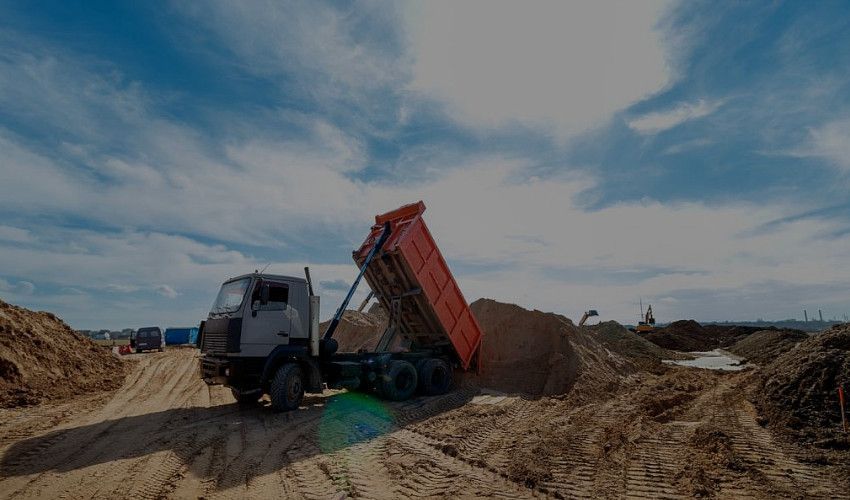
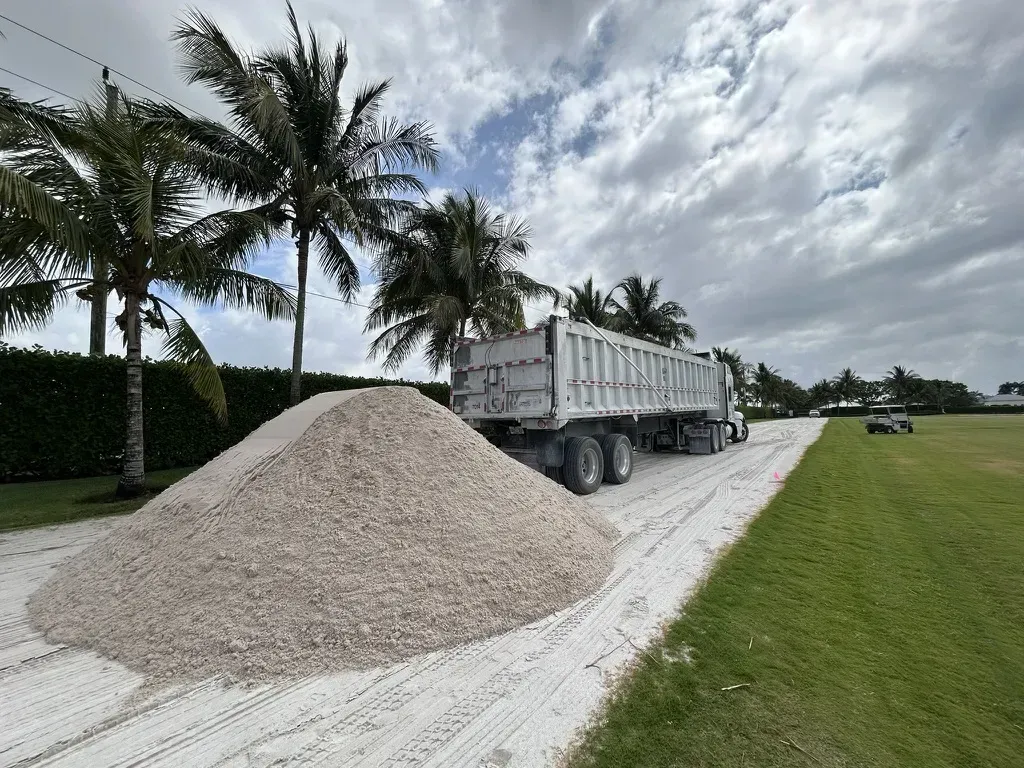
Sand services involve the strategic placement and treatment of sand to improve soil structure, support vegetation, and create stable, durable terrain for landscaping purposes. The process starts with a thorough assessment of the site’s soil composition, moisture content, and topography. After identifying the appropriate sand type ranging from fine-grain for topsoil mixing to coarse sand for structural support Sierra Hardscapes delivers and spreads the material using specialized equipment to ensure uniform coverage.
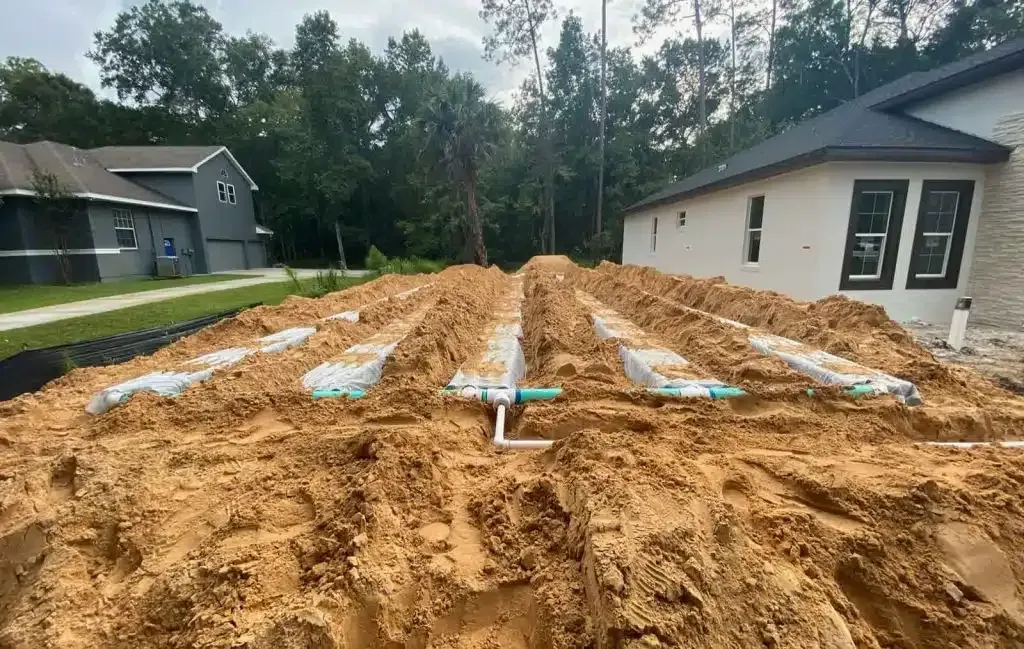
Techniques such as layering, grading, and compaction are applied to prevent erosion, promote drainage, and enhance surface stability. In some cases, sand is combined with other soil amendments to boost nutrient retention, improve moisture distribution, and strengthen root systems. Proper calibration of sand thickness and careful integration with existing soil layers also enhances resilience against heavy rainfall, seasonal changes, and frequent foot or equipment traffic.
Correct application reduces water pooling, levels uneven areas, and creates a foundation that supports long-term landscape performance. Continuous monitoring, maintenance, and adjustments guarantee optimal results, allowing landscaping areas to maintain their functionality, aesthetic appeal, and structural integrity over time in Reno, NV.
Sand Services Explained
Key Advantages of Our Sand Services
Sierra Hardscapes stands out through a methodical approach that ensures landscapes remain structurally sound while promoting healthy soil, long-lasting durability, and improved overall resilience.
•🌾Soil Strengthening:
Increases soil firmness to prevent erosion and shifting.
•🛤️Surface Leveling:
Smooths terrain for easier landscaping implementation.
•💧Enhanced Drainage:
Supports water flow and prevents pooling or runoff issues.
•🔄Soil Blending:
Integrates sand with soil amendments for balanced composition.
•📌Custom Application: Techniques tailored to specific site requirements and terrain.
Correct sand application is essential to long-term landscape stability, moisture retention, and slope reinforcement. By delivering precise layering, grading techniques, and controlled sand integration, Sierra Hardscapes
provides solutions that support plant growth, improve terrain functionality, and help prevent soil degradation, compaction, and nutrient loss over time. Every project is carefully assessed to match site-specific conditions, ensuring optimal results, consistent performance, and sustainable landscaping practices in Reno, NV. Contact Sierra Hardscapes
at (775) 242-5075
to schedule a consultation and enhance your landscaping surfaces with professional sand services tailored for strength, stability, and sustainability.
Advanced Sand Integration Techniques
Applying sand effectively in landscaping requires planning, expertise, and the right equipment. After site analysis, sand is carefully delivered and graded to meet terrain and soil needs. Techniques such as blending sand with organic matter, creating compacted sub-layers, and controlled spreading ensure durability, proper water drainage, and root support. Additional measures, including soil amendment integration, moisture regulation, precise layer calibration, and careful selection of sand type, further improve soil stability, nutrient retention, surface resilience, and overall performance.
Regular maintenance, monitoring, and periodic evaluations prevent settling, maintain level surfaces, and optimize soil performance over time. Strategic layering also supports erosion control, encourages uniform plant growth, reduces soil compaction, and enhances overall soil structure. Proper sand application improves microclimate conditions, strengthens landscape durability, facilitates sustainable water management, and supports long-term ecosystem health.
These practices make sand services a vital step in achieving resilient, functional, and visually appealing landscaping throughout Reno, NV, while supporting long-term plant health, reducing erosion risks, improving soil fertility, and enhancing overall landscape sustainability, efficiency, and durability.